As a Django application developer, you often encounter situations like this: You want to be able to perform periodic asynchronous background tasks. It will come in handy if you want to create some background checks, send notifications or build a cache
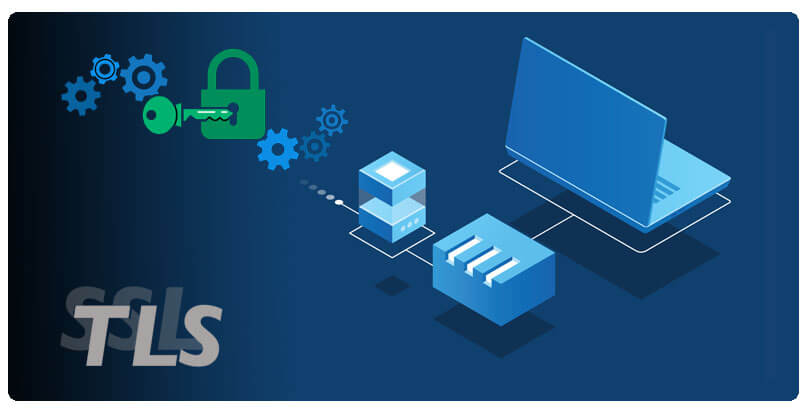
In order to prevent problems such as link hijacking and session hijacking from being attacked by an intermediary during Docker communication, both ends of c/s should communicate through encryption.
Docker CE supports the 64-bit version of CentOS 7, and requires the kernel version to be at least 3.10. CentOS 7 meets the minimum kernel requirements, but due to the relatively low kernel version, some functions (such as overlay2 storage layer driver) cannot be used, and some functions may not be stable
Starting August 31, 2021, Docker will begin to force corporate customers to sign up for a paid plan to use its popular desktop applications as part of the container company's major subscription pricing adjustments.
What is a layer? Docker containers are the building blocks of applications. Each container is an image, and there is a read/write layer on top of a stack of read-only layers
By default, several network modes of bridge, host, none, overlay, maclan and Network plugins are provided. When running the container, you can set the specific mode to be used through the -network parameter
By default, each macvlan can communicate with each other, but cannot communicate with the host! ! The reason for this is that intercommunication is prohibited for security. For example, the host machine pings the ip of the container. Although they belong to the same network segment, they cannot be pinged, and vice versa.
The main advantage of docker is that it can be easily deployed to the cloud, because the container has the additional benefit of running anywhere without facing dependency conflicts